

Kakadu National Park in Australia’s Northern Territory is one of the country’s most famous natural attractions and a UNESCO World Heritage Site for both its cultural and natural values. Understanding when Kakadu was “discovered” involves two different perspectives: the timeless presence of its Aboriginal people and the relatively recent European exploration.
Indigenous Connection
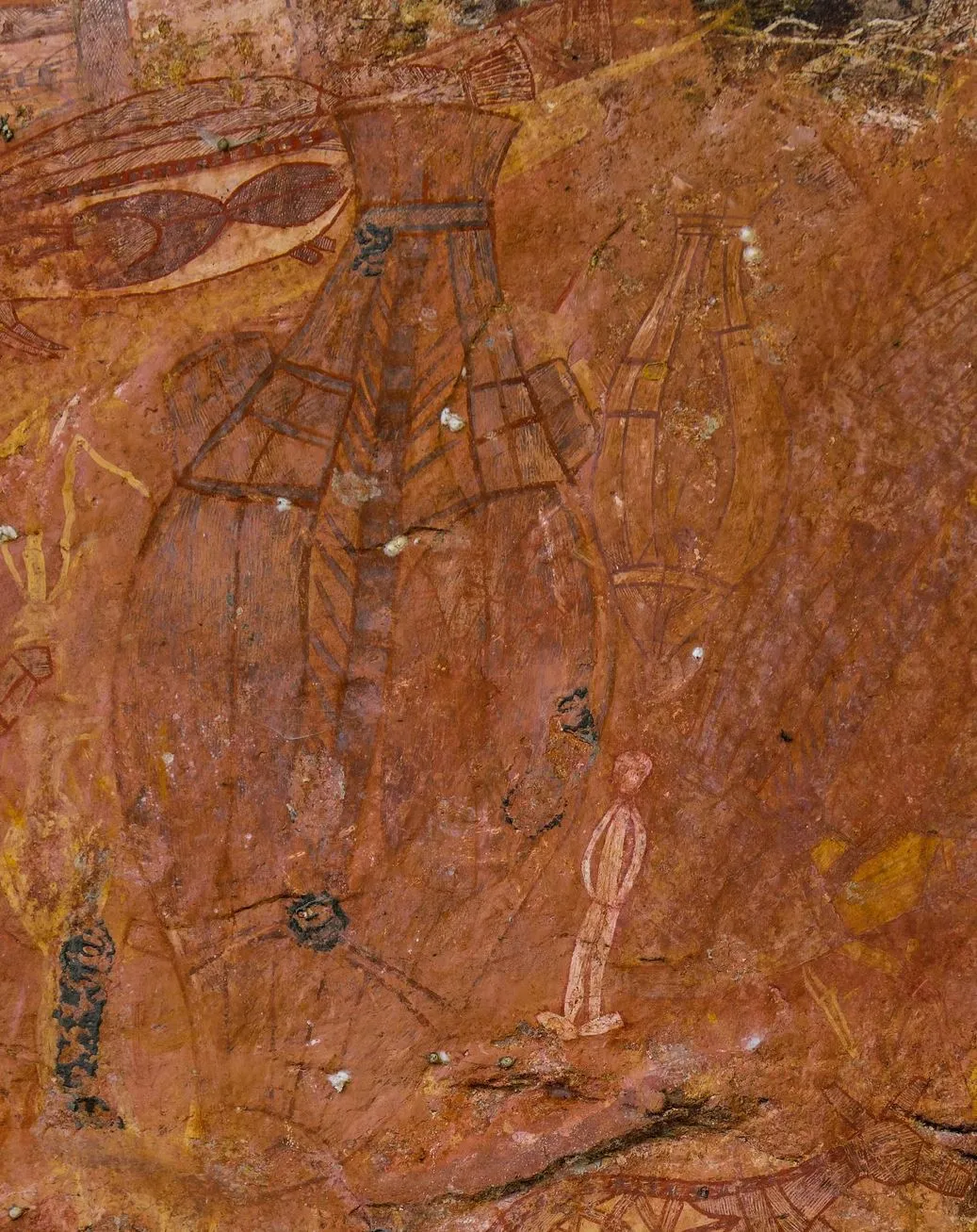
The Bininj/Mungguy people, the traditional owners of Kakadu, have lived in permanent settlements across the park for more than 65,000 years. They adapted to the climate extremes of the region, using isolated waterholes during dry times and the abundance of water during wet seasons. Their paintings and rock art styles throughout the park’s rock outcrops and art sites show their connection to the land, natural attractions and animal life.
Archaeological sites in Kakadu show people in touch with their environment for thousands of years. These sites and cultural sites throughout the park reveal the use of native fish species, endemic plants and a wide range of bird and reptile species. Kakadu is not just a natural landscape, it’s the real meaning of survival, culture and the ongoing story of Australia’s first people.
European Discovery and Exploration
European exploration of Kakadu’s landscape began in 1818 with Philip Parker King who mapped parts of the coastal waters of Arnhem Land. Later explorers such as Ludwig Leichhardt documented the wildlife, big trees and hydrological features that supported a wide range of animal life. The name “Kakadu” comes from the Aboriginal language “Gagadju” spoken by the local Aboriginal people at the time.
In the late 19th century, the area saw increased crocodile shooting and hunting of crocodiles, which impacted the saltwater crocodile population. Tales of wounded crocodiles during wet-season hunting expeditions became part of local lore. As the pastoral industry grew, service towns with basic facilities such as a service station emerged to support commercial hunting and cattle grazing.
The Formation
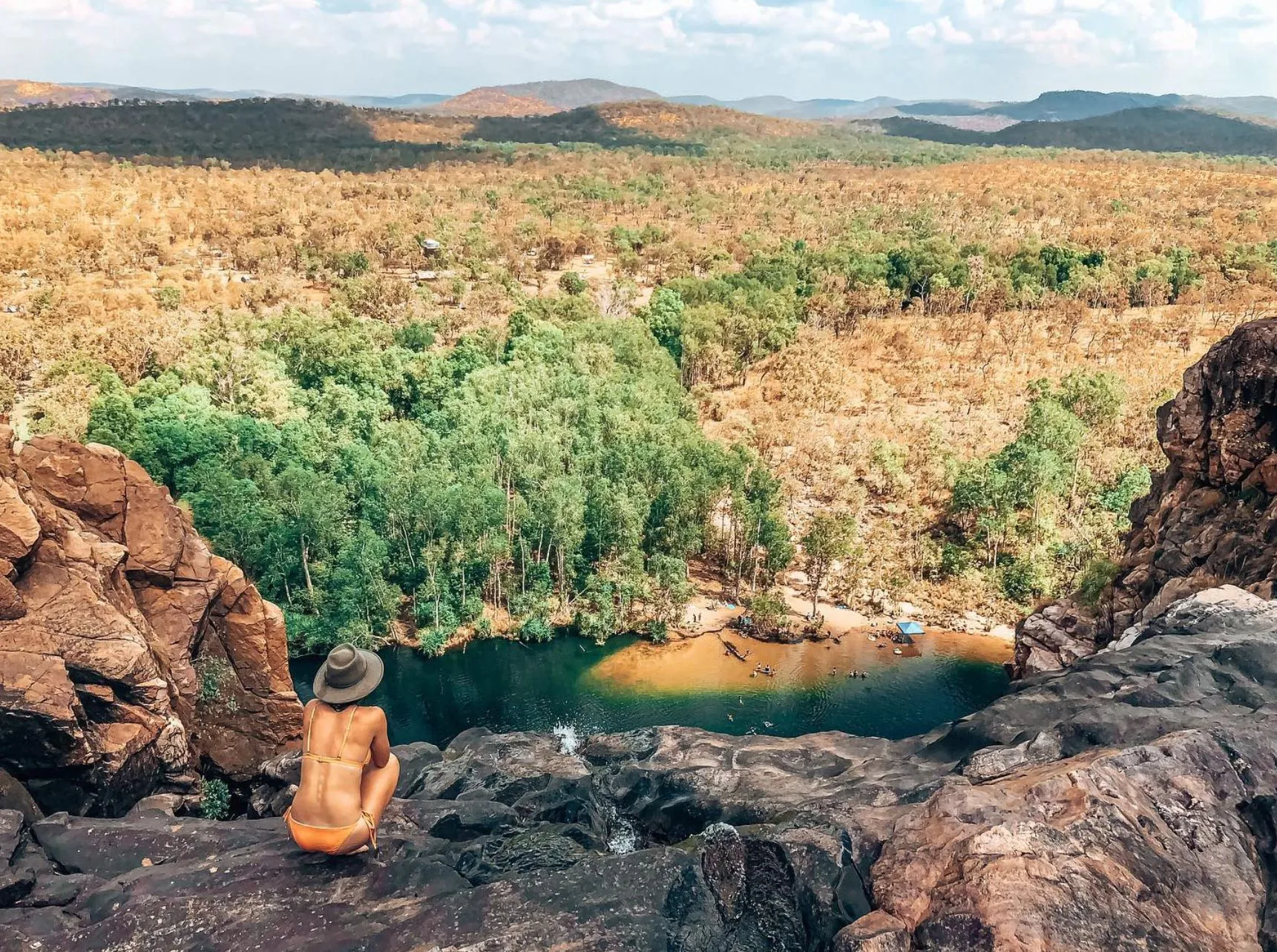
To protect Kakadu’s natural and cultural values a land claim was made by the Aboriginal communities. Kakadu National Park was declared in three stages between 1979 and 1991 to preserve the natural attractions and cultural sites. Park use fees were introduced to help maintain the park’s fragile ecosystems and support the traditional owners.
Today Kakadu has an amazing array of wildlife, breeding grounds for native species and scenic flights over volcanic origin plateaus. Camping sites and commercial camping facilities are available for visitors who want to get out to the park’s outlying formations and wildlife. For visitors who want a quick but in-depth experience 2 day Kakadu Tours are a great way to see the park’s landscapes, history and wildlife.
Visitors often use Wildlife Tours, a well-known brand, for their comprehensive tours that include Kakadu, the nearby Mary River Wetlands and the waterfalls of Litchfield National Park.
Key Features at a Glance
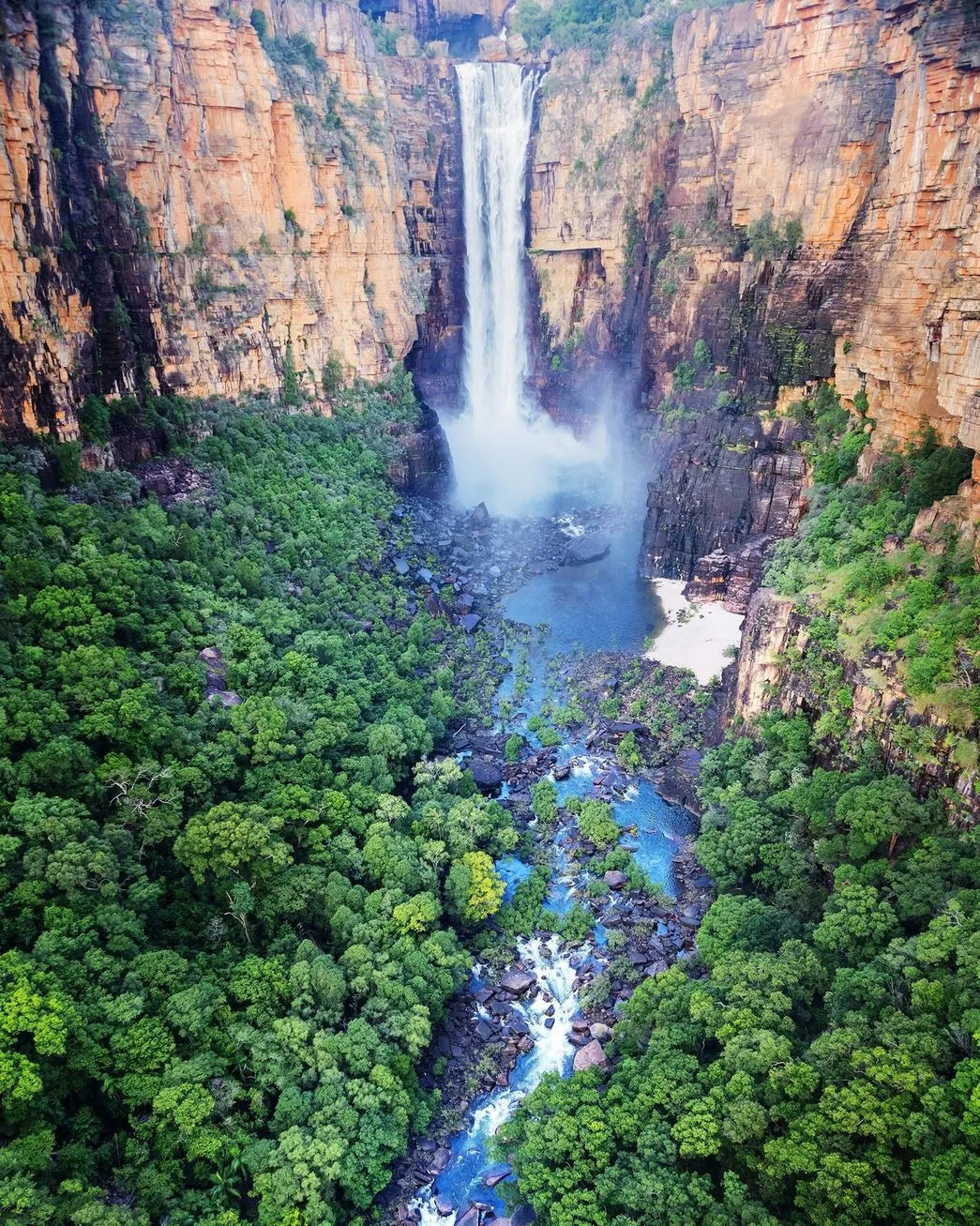
Here’s a quick summary of the highlights of Kakadu National Park:
| Feature | Details |
|---|---|
| Area | Approximately 19,804 square kilometres |
| Recognized Since | World Heritage status (Cultural and Natural) since 1981 |
| Key Wildlife | Saltwater crocodile, over 280 bird species, 60 mammal species |
| Main Seasons | Wet season (November to April), Dry season (May to October) |
| Notable Sites | Nourlangie Rock, Ubirr Rock Art, Jim Jim Falls, Twin Falls |
| Visitor Activities | Scenic flights, bushwalking, birdwatching, crocodile spotting, camping |
| Climate | Tropical, with climatic extremes, annual rainfall up to 1,500mm |
Environment and Wildlife
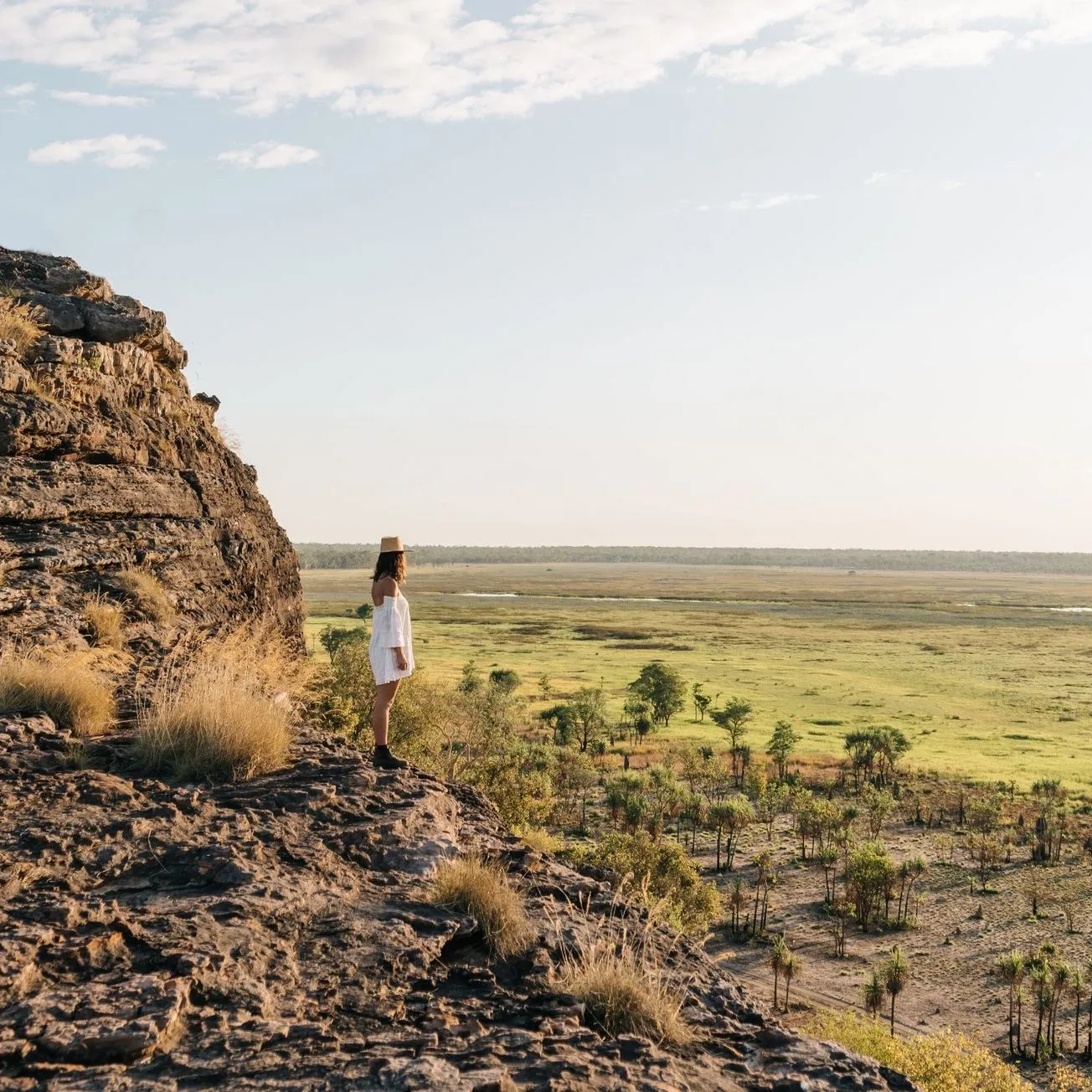
The park’s annual rainfall brings a dynamic environment of tropical cyclones and wet seasons, bringing isolated waterholes to life and replenishing the habitats of many native fish, bird and plant species. As the wet season dries out, plenty of food becomes available and many species thrive.
The park’s maximum temperatures can be extreme and many species struggle with body temperature regulation. Despite the midday heat, saltwater crocodiles can often be seen basking near the coast and birds find shelter in the wetlands and big trees.
Climates have shaped Kakadu’s ecology for millennia. The abundance of water in the wet season ensures the survival of animal life and supports the wet season hunting traditions practised by the Aboriginal people for thousands of years. These traditions, along with the rock art and archaeological sites, show the impact people have had on the landscape of Kakadu.
Wildlife, Culture and Natural Wonders
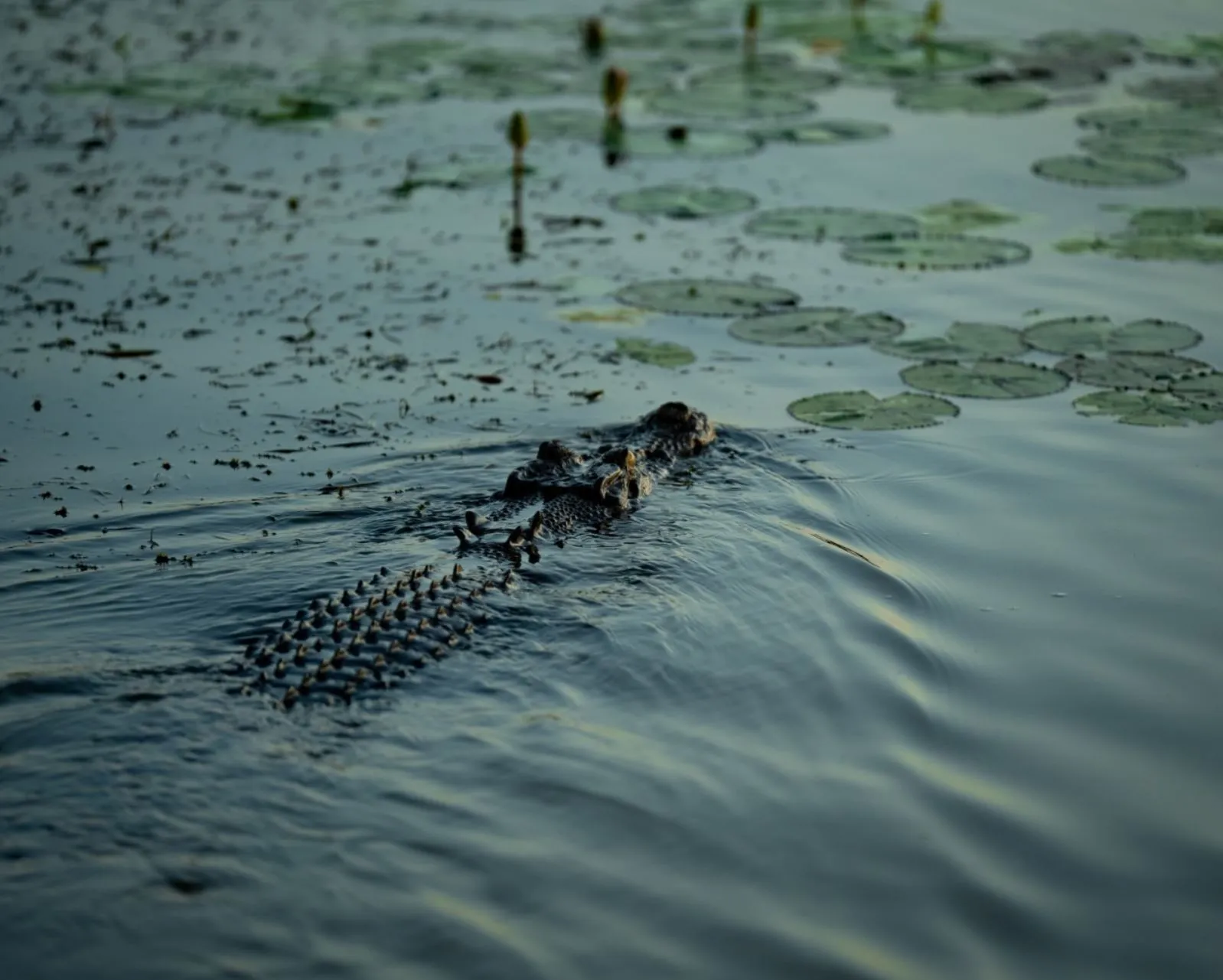
Today visitors can see the wildlife, explore the ancient rock art styles and learn about the cultural significance of Kakadu through the interpretive centres and guided tours. Scenic flights reveal the landscape of rock outcrops, wetlands and seasonal rivers from above.
Commercial camping areas, serviced towns and designated camping sites provide the essentials, and park use fees go directly to conservation. Whether you see a crocodile lying wounded near the floodplains, a white snowflake flower blooming after the rains or the social behaviour of native bird species, you’ll experience the park’s biodiversity firsthand.
The real meaning of Kakadu is not just in the big trees and many animal species but in the stories of the Aboriginal people who have lived here through the climatic extremes and environmental changes.
Nearby Attractions
In addition to Kakadu, nearby tour destinations such as Nitmiluk (Katherine Gorge) and the Mary River Wetlands are great for nature lovers. Scenic flights over these areas combined with river cruises and camping for tourists make a perfect addition to any Northern Territory adventure.
FAQ
How old is Kakadu?
Kakadu was declared a national park between 1979 and 1991 but the Indigenous cultural values date back over 65,000 years.
Who are the traditional owners of Kakadu?
The Bininj/Mungguy Aboriginal people are the traditional owners and have had permanent settlements, art sites and cultural sites for thousands of years.
Why is Kakadu important?
Kakadu has exceptional natural values, lots of wildlife, great paintings, endemic plants and significant archaeological sites.
How did Kakadu get its name?
The name “Kakadu” comes from “Gagadju” a now rare Aboriginal language spoken in the area.
What can visitors do at Kakadu?
Scenic flights, rock art sites, camping at designated campsites, wildlife spotting and learn about the Aboriginal culture.